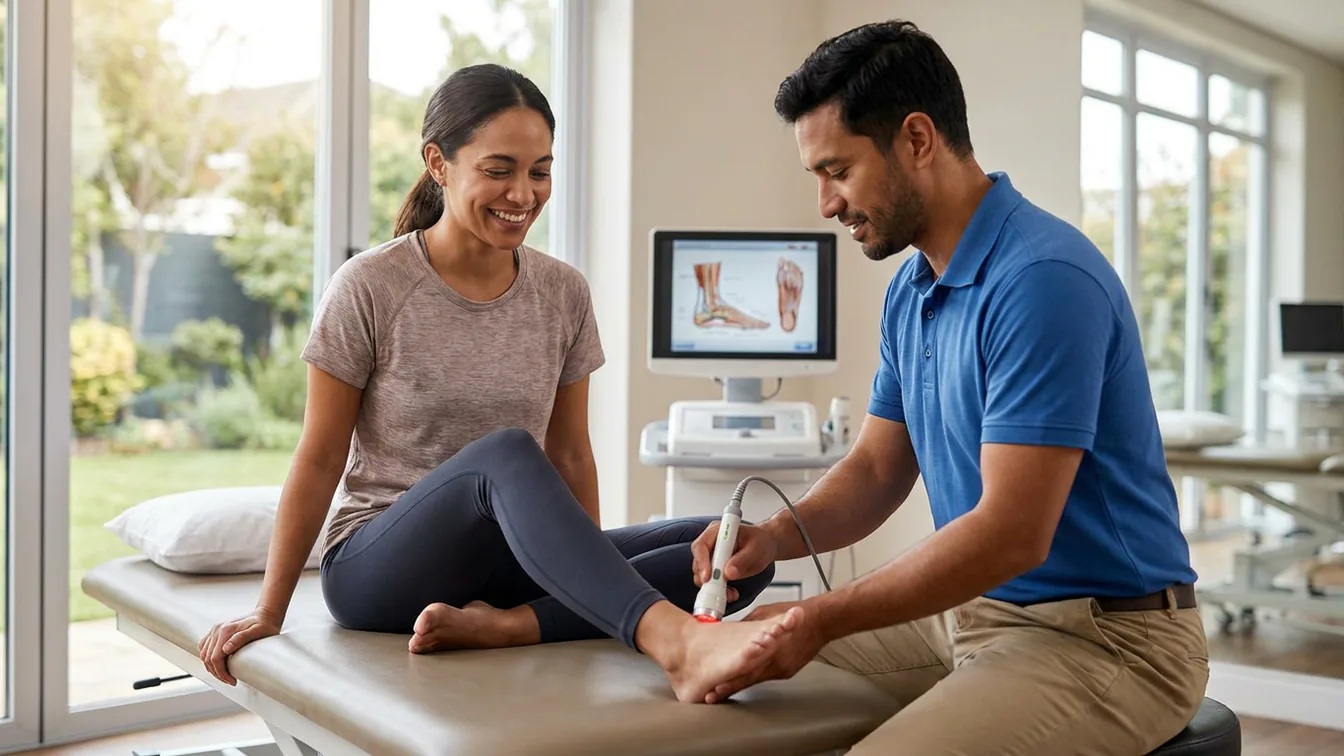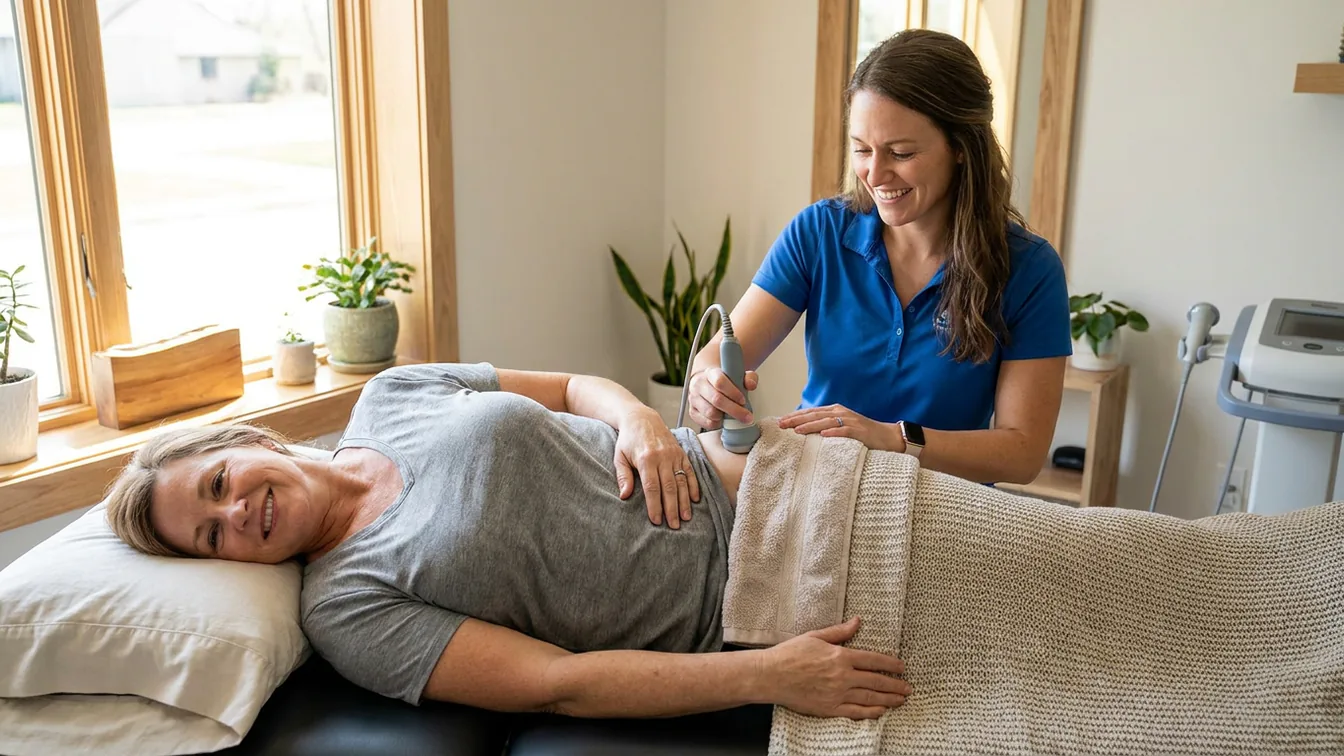
When you're dealing with chronic pain, stress, or muscle tension, finding effective relief can feel overwhelming. While many people turn to medications or invasive procedures, massage therapy offers a natural, holistic approach to healing that has been practiced for thousands of years. For Southern Illinois residents seeking drug-free pain management and wellness solutions, understanding how massage therapy works can be the first step toward better health and improved quality of life.
Massage therapy is far more than a luxury spa treatment—it's a legitimate healthcare practice that uses structured touch, pressure, and movement techniques to manipulate the body's soft tissues, including muscles, tendons, ligaments, and fascia. Licensed massage therapists undergo extensive training to understand anatomy, physiology, and various therapeutic techniques that can address specific health concerns and promote overall wellness.
Understanding the Science Behind Massage Therapy
The effectiveness of massage lies in its ability to create multiple physiological responses throughout your body. When a skilled therapist applies pressure and movement to your muscles and soft tissues, several important processes begin working simultaneously to promote healing and relief.
First, massage stimulates blood circulation, which increases the delivery of oxygen and nutrients to your muscles while helping remove metabolic waste products like lactic acid that can cause soreness and stiffness. This improved circulation is particularly beneficial for Southern Illinois residents who may spend long hours at desk jobs or engage in physically demanding work, as it helps combat the effects of prolonged sitting or repetitive movements.
Massage also activates your body's parasympathetic nervous system—the "rest and digest" response that counteracts stress and promotes relaxation. This activation triggers the release of endorphins, your body's natural pain-relieving chemicals, while simultaneously reducing levels of stress hormones like cortisol. For many people dealing with chronic pain or anxiety, this neurological response can provide significant relief that extends well beyond the massage session itself.
Another crucial mechanism involves the manipulation of fascia, the connective tissue that surrounds and supports your muscles. When fascia becomes tight or restricted due to injury, poor posture, or repetitive stress, it can create pain patterns and limit your range of motion. Therapeutic massage techniques work to release these fascial restrictions, restoring normal movement patterns and reducing pain.
Different Types of Massage and Their Specific Benefits
Not all massage techniques work the same way, and understanding the differences can help you choose the most appropriate approach for your specific needs. Swedish massage, perhaps the most well-known style, uses long, flowing strokes combined with kneading and circular movements to promote relaxation and improve circulation. This gentle approach is excellent for stress relief and general wellness maintenance.
Deep tissue massage, on the other hand, uses slower, more focused pressure to reach deeper layers of muscle and connective tissue. This technique is particularly effective for chronic pain conditions, sports injuries, and areas of persistent tension. Many Southern Illinois residents find deep tissue massage helpful for addressing issues related to physical labor, sports activities, or postural problems from office work.
Trigger point therapy focuses on identifying and releasing specific knots or tight spots within muscles that can refer pain to other areas of the body. These trigger points often develop from overuse, trauma, or stress, and releasing them can provide dramatic pain relief that might seem almost miraculous to those who have suffered with chronic discomfort.
Myofascial release is a specialized technique that targets the fascial system specifically, using sustained pressure and stretching to restore normal tissue function. This approach is particularly beneficial for conditions like fibromyalgia, chronic fatigue syndrome, and complex pain patterns that don't respond well to other treatments.
The Healing Process: What Happens During and After Treatment
When you receive professional massage therapy, your body begins responding immediately to the therapeutic touch. During the session, you may notice your breathing naturally deepens, your heart rate slows, and areas of tension begin to soften. These are all signs that your nervous system is shifting into a healing state.
The mechanical pressure applied during massage helps break up adhesions in muscle fibers and surrounding tissues—essentially "unsticking" areas that have become bound together due to injury, inflammation, or chronic tension. As these adhesions release, blood flow improves, inflammation decreases, and normal tissue function begins to restore.
Many people experience what's known as "therapeutic soreness" for 24-48 hours after a massage session, particularly if it's been a while since their last treatment or if they received deep tissue work. This temporary discomfort is normal and indicates that your body is responding to the therapy. Drinking plenty of water, gentle stretching, and applying heat can help minimize this post-treatment soreness.
The benefits of massage therapy often continue to develop over the days following your session. As inflammation subsides and circulation improves, many people notice increased flexibility, reduced pain, better sleep quality, and an overall sense of well-being. Regular massage sessions can create cumulative benefits, with each treatment building upon the improvements gained from previous sessions.
Maximizing Your Massage Therapy Results
To get the most benefit from your massage therapy sessions, communication with your therapist is essential. Be honest about your pain levels, areas of concern, and any health conditions you may have. A skilled therapist can adjust their techniques based on your feedback, ensuring you receive the most appropriate treatment for your specific needs.
Staying hydrated before and after your massage session helps support your body's natural detoxification processes and can reduce post-treatment soreness. Many Southern Illinois residents find that scheduling their massage appointments when they can rest afterward enhances the relaxation benefits and allows their body to fully integrate the therapeutic effects.
Consistency is key when using massage therapy to address chronic conditions. While a single session can provide temporary relief, regular treatments are typically necessary to create lasting changes in tissue health and pain patterns. Your massage therapist can recommend an appropriate treatment schedule based on your specific condition and goals.
It's also important to address lifestyle factors that may be contributing to your pain or tension. Poor posture, inadequate sleep, chronic stress, and lack of exercise can all undermine the benefits of massage therapy. Working with healthcare providers who take a comprehensive approach to wellness can help you develop strategies to support and maintain the improvements gained through massage.
Finding Professional Massage Therapy in Your Area
When seeking massage therapy, it's crucial to work with licensed, trained professionals who understand anatomy, pathology, and appropriate treatment techniques. Look for therapists who have experience treating your specific condition and who take time to understand your individual needs and health history.
For Southern Illinois residents seeking comprehensive wellness care that includes professional massage therapy, Woodard Wellness Group offers experienced therapists who work collaboratively with other healthcare providers to address your pain and wellness goals. Located at 1245 East Walnut Street, Carbondale, Illinois 62901, their team understands the unique needs of our Southern Illinois community and can help you develop an effective treatment plan.
Massage therapy represents a powerful, natural approach to pain relief and wellness that works by supporting your body's own healing mechanisms. Whether you're dealing with chronic pain, recovering from an injury, or simply seeking to maintain optimal health, understanding how massage works can help you make informed decisions about incorporating this valuable therapy into your healthcare routine. The combination of improved circulation, nervous system regulation, and tissue manipulation creates a comprehensive therapeutic effect that can significantly improve your quality of life when provided by skilled, professional practitioners.