Neck pain affects millions of people worldwide, and if you're reading this, chances are you or someone you know is seeking relief from this common yet debilitating condition. Understanding neck pain is the first step toward finding effective solutions that can restore your quality of life and get you back to the activities you love.
Neck pain isn't just a minor inconvenience—it can significantly impact your daily routine, work performance, and overall well-being. Many Southern Illinois residents experience neck discomfort at some point in their lives, whether from long hours at a desk, poor sleeping positions, or the stress of everyday life. The good news is that with proper understanding and appropriate care, most neck pain conditions can be effectively managed and often completely resolved.
Common Causes of Neck Pain
Understanding the root causes of your neck pain is crucial for developing an effective treatment strategy. The neck, or cervical spine, is a complex structure consisting of seven vertebrae, numerous muscles, ligaments, and nerves that work together to support your head and allow for a wide range of motion.
Poor Posture and Modern Lifestyle Factors
One of the most prevalent causes of neck pain among Southern Illinois residents is poor posture, particularly "tech neck" or "forward head posture." This condition develops from prolonged periods spent looking down at smartphones, tablets, or computers. When your head moves forward from its natural position, it places enormous stress on the cervical spine—for every inch your head moves forward, it effectively doubles the weight your neck muscles must support.
Sitting at a desk for extended periods without proper ergonomic support also contributes to neck strain. Many people in Illinois work in office environments where improper monitor height, inadequate chair support, or poor workstation setup leads to chronic neck tension and pain.
Sleep-Related Issues
How you sleep can significantly impact your neck health. Using pillows that are too high, too low, or don't provide adequate support can cause your neck to remain in an unnatural position for hours. Sleeping on your stomach forces your neck to turn to one side for extended periods, creating strain and potential pain. Even stress and anxiety can affect your sleep quality, leading to muscle tension that manifests as neck pain.
Stress and Muscle Tension
Emotional stress has a direct physical impact on your body, often manifesting as tension in the neck and shoulder muscles. When you're stressed, your body naturally tightens these muscles as part of the "fight or flight" response. Chronic stress can lead to persistent muscle tension, creating a cycle of pain and discomfort that affects many Southern Illinois residents dealing with work, family, or financial pressures.
Injury and Trauma
Whiplash from car accidents is a common cause of neck pain, but it's not the only type of injury that can affect your cervical spine. Sports injuries, falls, or sudden movements can strain muscles, damage ligaments, or even affect the vertebrae themselves. Sometimes, the symptoms from these injuries don't appear immediately, making it important to seek evaluation even after seemingly minor incidents.
Recognizing Neck Pain Symptoms
Neck pain presents differently for each individual, and understanding the various symptoms can help you communicate more effectively with healthcare providers and make informed decisions about your care.
Primary Pain Symptoms
The most obvious symptom is pain in the neck region itself, which can range from a dull ache to sharp, shooting pain. This discomfort may be localized to one area or spread across the entire neck region. Some people experience pain that worsens with movement, while others find that certain positions provide relief.
Stiffness is another common symptom, making it difficult to turn your head from side to side or look up and down. This reduced range of motion can significantly impact daily activities like driving, working, or even simple tasks like checking your surroundings.
Associated Symptoms
Neck pain often comes with additional symptoms that might seem unrelated but are actually connected to the cervical spine's complex structure. Headaches are extremely common, particularly tension headaches that originate from tight neck muscles and can radiate to the temples, forehead, or back of the head.
Shoulder and upper back pain frequently accompany neck issues because these areas are interconnected through muscles, ligaments, and nerve pathways. You might also experience muscle spasms, which can be both painful and alarming when they occur suddenly.
Neurological Symptoms
Some neck conditions can affect the nerves that travel through the cervical spine, leading to symptoms in your arms and hands. These might include numbness, tingling, or weakness that extends from your neck down through your shoulder, arm, or into your fingers. These neurological symptoms warrant prompt attention, as they may indicate nerve compression or irritation that requires specific treatment approaches.
Natural Solutions and Treatment Options
Fortunately, many effective solutions exist for neck pain, ranging from simple home remedies to professional chiropractic care. The key is finding the right combination of approaches that address your specific situation.
Immediate Relief Strategies
When neck pain strikes, several immediate steps can provide relief. Ice therapy can be particularly effective in the first 24-48 hours after an injury or during acute pain episodes. Apply ice for 15-20 minutes at a time, with breaks between applications to prevent skin damage.
After the initial acute phase, heat therapy can help relax tight muscles and improve blood circulation to the affected area. A warm shower, heating pad, or warm compress can provide significant relief for many Southern Illinois residents dealing with chronic neck tension.
Gentle stretching and range-of-motion exercises can help maintain flexibility and prevent stiffness from worsening. Simple movements like slowly turning your head from side to side, tilting your ear toward your shoulder, or gently rolling your shoulders can provide relief when done carefully and within comfortable limits.
Lifestyle Modifications
Addressing the underlying causes of neck pain often requires making changes to daily habits and routines. Improving your workspace ergonomics is crucial if you spend significant time at a computer. Ensure your monitor is at eye level, your chair provides adequate support, and you take regular breaks to move and stretch.
Sleep hygiene improvements can make a substantial difference in neck pain management. Invest in a supportive pillow that maintains your neck's natural curve, and try to sleep on your back or side rather than your stomach. Creating a relaxing bedtime routine can also help reduce stress-related muscle tension.
Stress management techniques such as deep breathing exercises, meditation, or regular physical activity can address one of the root causes of neck pain for many people here in Southern Illinois. Finding healthy ways to cope with life's pressures can significantly reduce the physical manifestation of stress in your neck and shoulders.
Professional Chiropractic Care
While self-care measures are valuable, professional evaluation and treatment often provide the most effective and lasting relief from neck pain. Chiropractic care offers a natural, non-invasive approach to treating neck pain that addresses both symptoms and underlying causes.
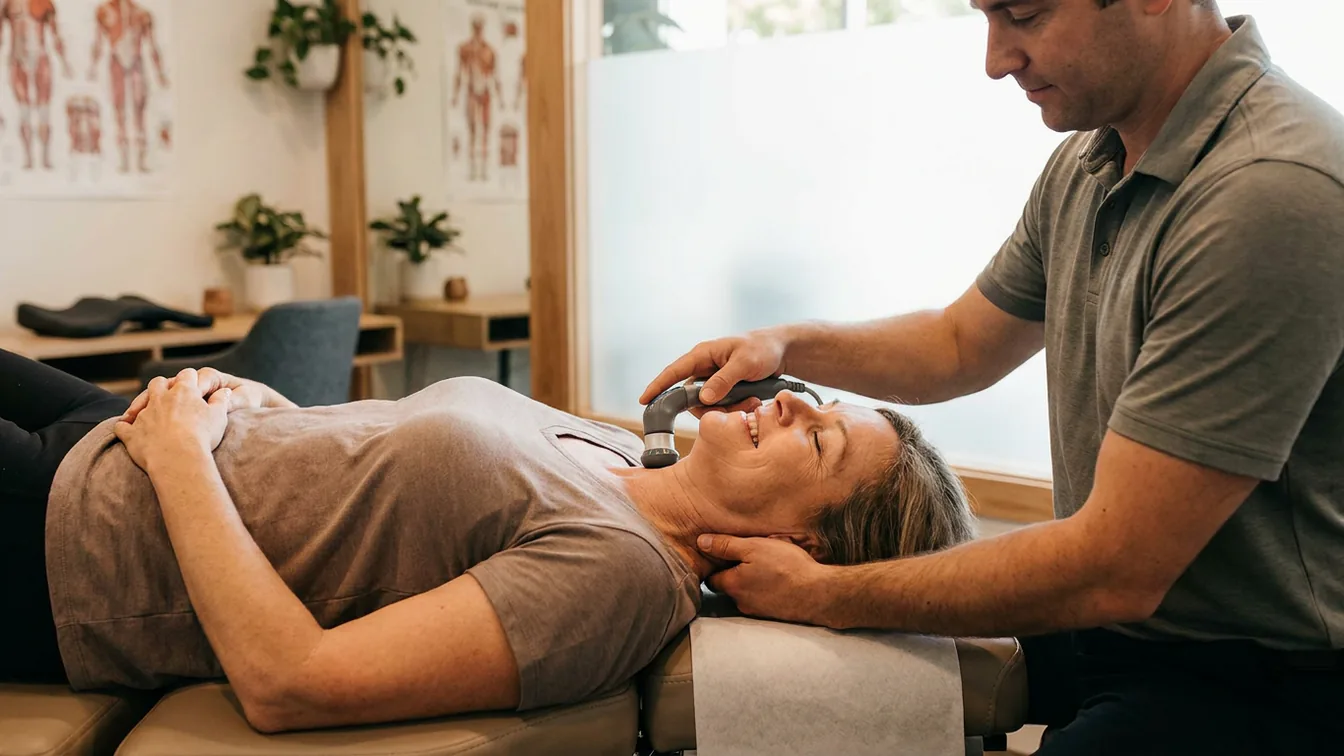
Chiropractors use various techniques to restore proper alignment to the cervical spine, reduce muscle tension, and improve overall function. These may include spinal adjustments, soft tissue therapies, and specific exercises designed to strengthen supporting muscles and improve posture.
Many Southern Illinois residents have found that chiropractic care not only provides relief from their immediate neck pain but also helps prevent future episodes by addressing postural imbalances and teaching proper body mechanics.
Prevention and Long-Term Management
Preventing neck pain is often easier than treating it once it develops. Maintaining good posture throughout the day, taking regular breaks from desk work, and staying physically active can significantly reduce your risk of developing neck problems.
Regular exercise that includes both cardiovascular activity and strength training helps maintain the health of your spine and supporting muscles. Focus on exercises that strengthen your core and upper back muscles, as these provide crucial support for your neck.
Staying hydrated and maintaining a healthy diet also contribute to overall spinal health. Your spinal discs need adequate hydration to function properly, and proper nutrition supports the healing and maintenance of all your body's tissues.
If you're experiencing persistent neck pain that interferes with your daily life, don't wait for it to resolve on its own. Professional evaluation can help identify the specific cause of your pain and develop a targeted treatment plan. Our Southern Illinois clinic has helped countless residents find relief from neck pain through comprehensive, natural approaches to healing.
For those in the Southern Illinois area seeking professional care for neck pain, Woodard Wellness Group at 1245 East Walnut Street, Carbondale, Illinois 62901 offers comprehensive evaluation and treatment options designed to address the root causes of your discomfort and help you return to optimal health. Remember, understanding your neck pain is the first step toward finding the solutions that will restore your comfort and quality of life.