Hip pain affects millions of Americans daily, and residents of Southern Illinois are no exception. Whether you're dealing with chronic discomfort that's been building over years or sudden pain from an injury, understanding your treatment options is crucial for regaining your quality of life. This comprehensive guide will walk you through everything you need to know about hip pain treatment, from identifying the root causes to exploring both conservative and professional treatment approaches available right here in Southern Illinois.
Understanding Hip Pain: Causes and Common Misconceptions
The hip joint is one of the largest weight-bearing joints in your body, consisting of a ball-and-socket structure that allows for remarkable mobility while supporting significant loads during daily activities. When pain develops in this area, it can stem from various sources, making proper diagnosis essential for effective treatment.
Common causes of hip pain include osteoarthritis, which affects nearly 32.5 million adults in the United States according to the CDC. This degenerative condition occurs when cartilage in the hip joint breaks down over time, leading to bone-on-bone contact that creates pain and stiffness. Bursitis, another frequent culprit, involves inflammation of the fluid-filled sacs that cushion your hip joint. This condition often develops from repetitive motions or prolonged sitting, making it particularly common among Southern Illinois residents who work desk jobs or engage in repetitive physical activities.
Muscle strains and tendonitis also contribute significantly to hip discomfort. The hip flexors, which help lift your thighs toward your abdomen, can become tight and painful from prolonged sitting or sudden movements. Similarly, the IT band – a thick strip of tissue running along the outside of your thigh – can become inflamed and cause pain that radiates from the hip down to the knee.
One major misconception about hip pain is that it's simply an inevitable part of aging. While wear and tear do increase with age, many cases of hip pain are preventable and treatable through proper movement, posture correction, and professional intervention. Another common myth suggests that rest is always the best treatment for hip pain. However, complete inactivity can actually worsen certain conditions by allowing muscles to weaken and joints to stiffen.
Natural Treatment Approaches for Hip Pain Relief
For many Southern Illinois residents, natural treatment approaches offer effective relief without the side effects associated with long-term medication use. These conservative methods focus on addressing the underlying causes of pain while promoting your body's natural healing processes.
Movement therapy stands as one of the most powerful tools in hip pain treatment. Gentle stretching exercises can help restore flexibility to tight hip flexors and surrounding muscles. The seated figure-four stretch, performed by crossing one ankle over the opposite knee while seated and gently leaning forward, can provide immediate relief for many people. Similarly, the supine hip flexor stretch, done lying on your back at the edge of a bed with one leg hanging down, helps lengthen chronically shortened hip muscles.
Strengthening exercises play an equally important role in long-term hip health. Weak glute muscles often contribute to hip pain by forcing other muscles and joints to compensate. Simple exercises like bridges, where you lie on your back and lift your hips toward the ceiling, can help activate and strengthen these crucial stabilizing muscles. Side-lying leg lifts target the hip abductors, which help maintain proper hip alignment during walking and standing.
Heat and cold therapy offer another natural approach to managing hip pain. Ice application for 15-20 minutes can help reduce acute inflammation, particularly after activities that aggravate your symptoms. Heat therapy, through warm baths or heating pads, can help relax tight muscles and improve circulation to the area. Many people find alternating between heat and cold provides the most comprehensive relief.
Nutritional approaches also support hip health and pain reduction. Anti-inflammatory foods like fatty fish rich in omega-3 fatty acids, leafy green vegetables, and berries can help reduce systemic inflammation that contributes to joint pain. Staying properly hydrated ensures that cartilage receives adequate nutrition and maintains its shock-absorbing properties.
Professional Treatment Options in Southern Illinois
While self-care strategies form the foundation of hip pain treatment, professional intervention often provides the comprehensive approach needed for lasting relief. Understanding the various treatment modalities available in Illinois helps you make informed decisions about your care.
Chiropractic care offers a holistic approach to hip pain treatment by addressing not just the symptoms but the underlying biomechanical issues that contribute to discomfort. Chiropractors use precise spinal and pelvic adjustments to restore proper alignment, which can significantly impact hip function. When your pelvis is misaligned, it creates compensatory patterns that place additional stress on your hip joints. By correcting these alignment issues, chiropractic treatment often provides both immediate relief and long-term improvement.
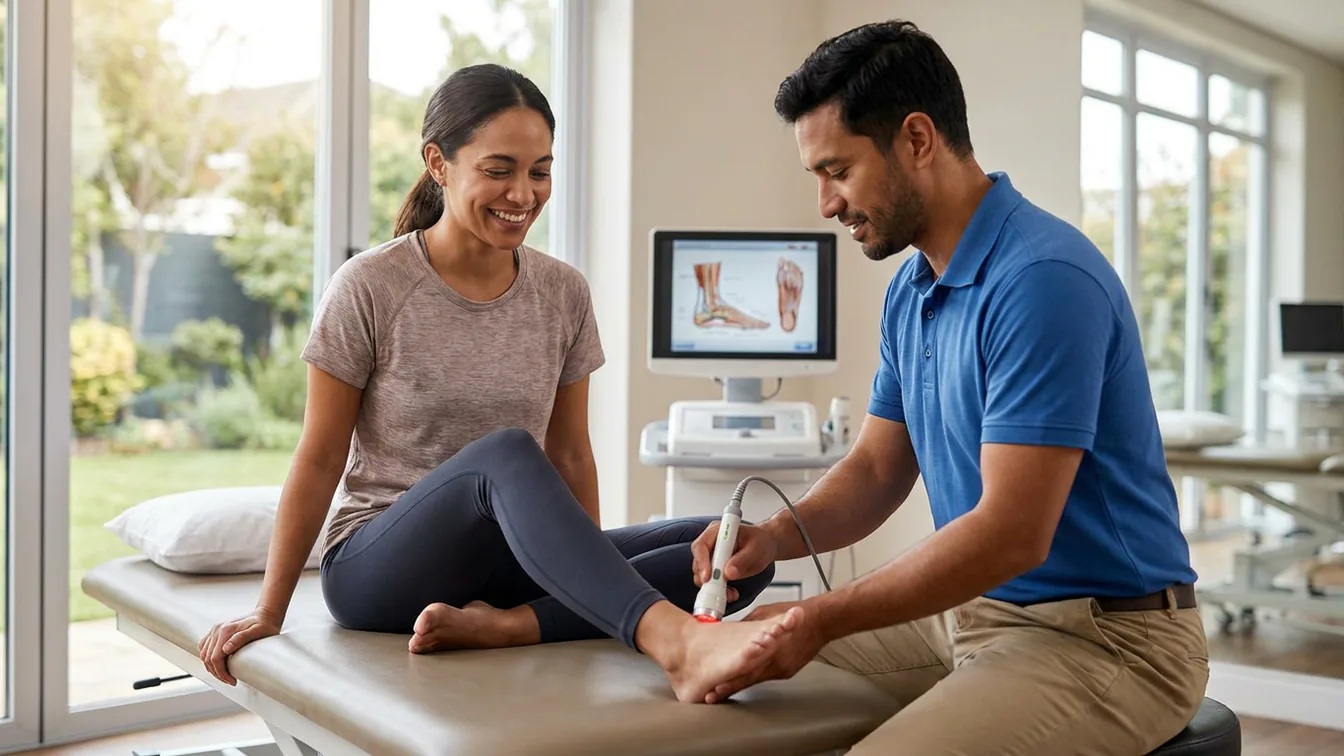
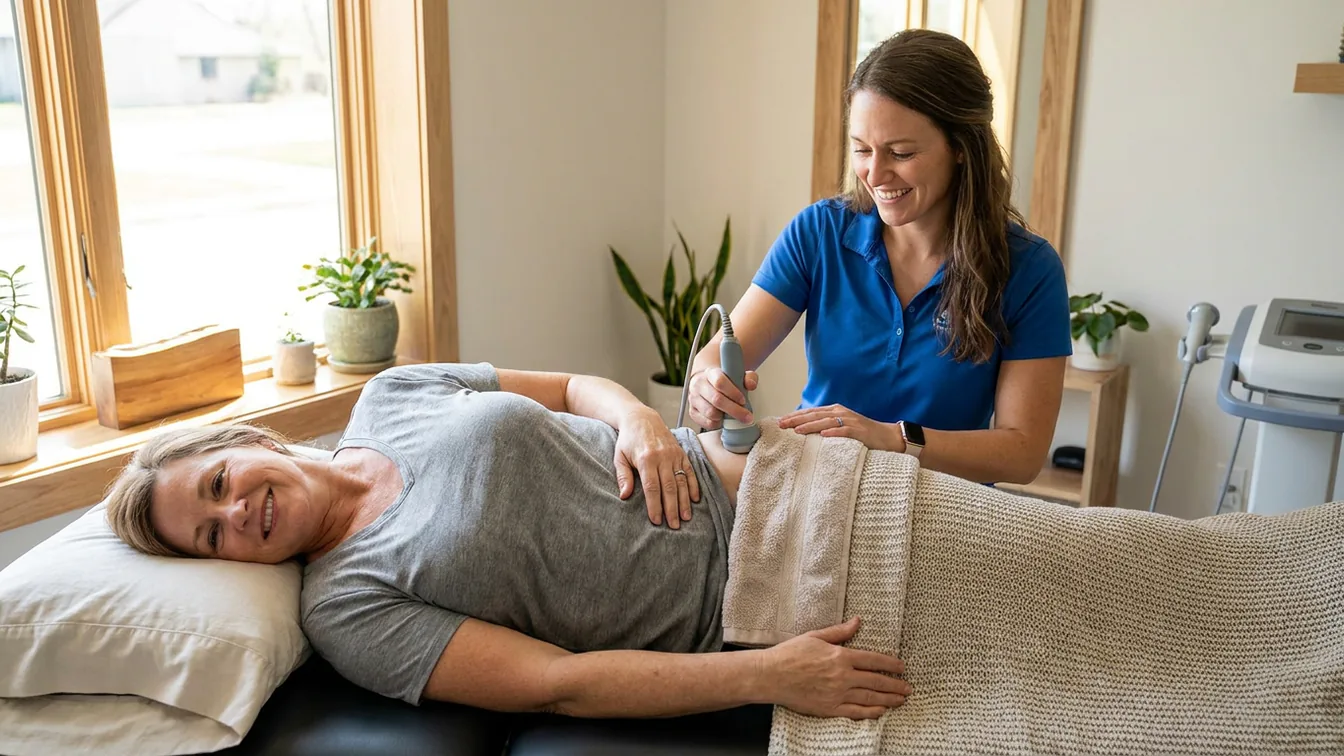
Physical therapy complements chiropractic care by focusing on strengthening weak muscles, stretching tight tissues, and improving movement patterns. A skilled physical therapist can identify specific muscle imbalances contributing to your hip pain and design a customized exercise program to address these issues. Manual therapy techniques, including soft tissue mobilization and joint mobilization, help restore normal tissue function and reduce pain.
Massage therapy addresses the soft tissue component of hip pain, helping to release tension in muscles that have become tight and restricted due to compensation patterns. Therapeutic massage increases blood flow to the affected area, promotes healing, and can provide significant pain relief. Many Southern Illinois residents find that regular massage therapy helps them maintain the improvements gained through other treatments.
For more complex cases, some healthcare providers offer advanced treatments like platelet-rich plasma (PRP) therapy or prolotherapy. These regenerative medicine approaches use your body's own healing mechanisms to repair damaged tissues and reduce inflammation. While these treatments require specialized equipment and training, they're becoming increasingly available throughout Illinois.
When to Seek Professional Help and Choosing the Right Provider
Recognizing when to transition from self-care to professional treatment is crucial for preventing minor hip issues from becoming chronic problems. Certain red flags indicate the need for immediate professional evaluation, including severe pain that prevents normal walking, numbness or tingling in your leg or foot, or pain that worsens despite rest and conservative care.
Even without these warning signs, seeking professional help makes sense when hip pain persists for more than a few days, interferes with your daily activities, or keeps you awake at night. Early intervention often leads to faster recovery and prevents the development of compensatory patterns that can create additional problems throughout your body.
When choosing a healthcare provider for your hip pain, look for practitioners who take a comprehensive approach to diagnosis and treatment. The best providers will conduct thorough evaluations that include not just the painful area but also your overall posture, movement patterns, and lifestyle factors that might contribute to your condition.
Experience treating hip conditions specifically is another important consideration. Ask potential providers about their background with hip pain cases and the treatment approaches they typically use. The most effective providers often combine multiple treatment modalities and work collaboratively with other healthcare professionals when needed.
Location and accessibility matter too, especially when you're dealing with pain that affects your mobility. Having a trusted healthcare provider here in Southern Illinois means you can receive consistent care without the burden of long-distance travel, which can be particularly challenging when you're experiencing hip pain.
If you're struggling with hip pain and looking for comprehensive, natural treatment options, consider reaching out to healthcare providers who specialize in conservative care approaches. Woodard Wellness Group, located at 1245 East Walnut Street, Carbondale, Illinois 62901, offers experienced professionals who understand the unique needs of Southern Illinois residents dealing with hip pain. Taking the first step toward professional evaluation can be the beginning of your journey back to pain-free movement and improved quality of life.